


Complete Guide to Industrial Gas Cutting Torch Selection, Spanners, and Workshop Tools
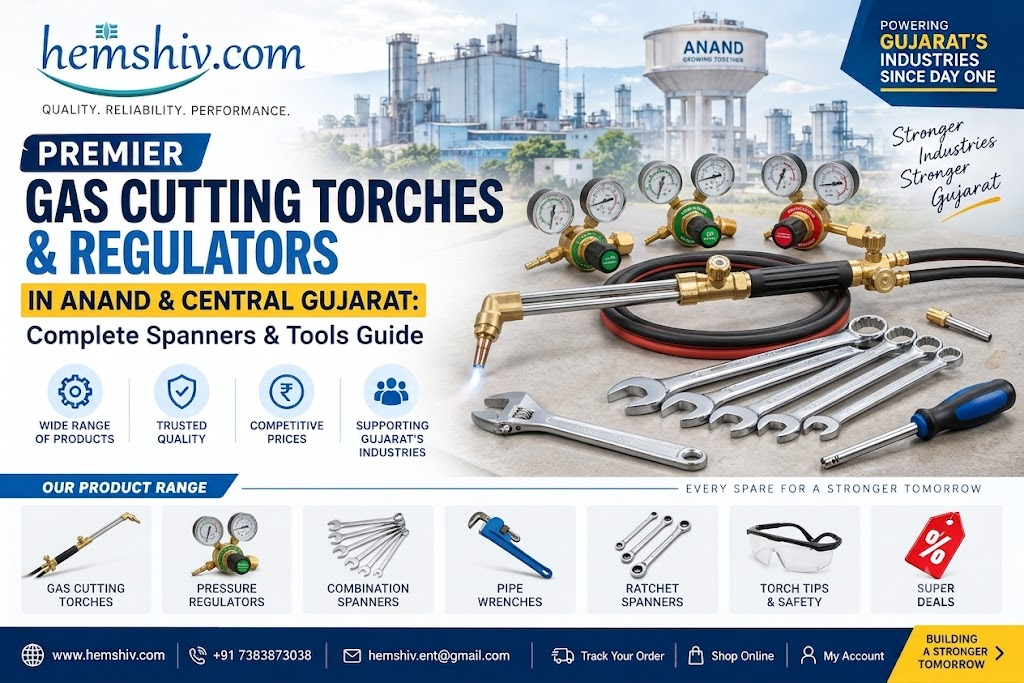
Metal fabrication, scrap dismantling, structural erection, and plant maintenance rely heavily on thermal cutting and precision fastening tools. In demanding factory conditions, using sub-standard tools compromises worker safety and slows down daily production. Choosing a certified gas cutting torch alongside high-torque hand tools like a forged ring spanner ensures clean cuts, safe gas control, and efficient mechanical assembly.
However, selecting metalworking and workshop equipment requires a clear understanding of fuel gas compatibility, nozzle designs, pressure regulation, and alloy durability. In this complete industrial guide, we explore how to choose the right gas cutting torch, essential spanner configurations, fluid fittings, and workshop safety best practices.
1. What Is an Industrial Gas Cutting Torch and How Does It Work?
An industrial gas cutting torch (oxy-fuel cutting torch) uses a mixture of oxygen and a fuel gas (such as Acetylene or LPG) to preheat steel to its ignition temperature (approx. 870°C to 900°C). Once preheated, a high-pressure stream of pure cutting oxygen reacts with the iron, burning the metal away and blowing the molten slag out of the kerf.
Key Components of a Heavy-Duty Gas Cutting Torch
- Dual-Stage Flashback Arrestors: Prevents dangerous flame backfires from travelling into the gas supply hoses and cylinders.
- Forged Brass Body & Stainless Steel Gas Tubes: Delivers high heat resistance, mechanical rigidity, and corrosion protection.
- Precision Flow Control Knobs: Allows precise flame adjustment from neutral to oxidizing flame profiles.
- Interchangeable Cutting Nozzles: Supports different plate thicknesses and fuel types (ANME for Acetylene and PNME for LPG/Propane).
2. Nozzle Sizing & Fuel Compatibility Guide
Selecting the proper nozzle size ensures clean, dross-free edge cuts while minimizing fuel consumption.
| Plate Thickness (mm) | Nozzle Type | Fuel Gas Type | Oxygen Pressure (Bar) | Typical Industrial Application |
| 3 mm – 6 mm | 1/32″ (0.8 mm) | LPG / Acetylene | 1.5 – 2.0 | Sheet metal trimming & duct fabrication |
| 6 mm – 20 mm | 3/64″ (1.2 mm) | LPG / Acetylene | 2.0 – 3.0 | Structural beam cutting & plate profiling |
| 20 mm – 75 mm | 1/16″ (1.6 mm) | LPG / Acetylene | 3.0 – 4.5 | Heavy machine frame dismantling & scrapping |
| 75 mm – 150 mm | 3/32″ (2.4 mm) | Acetylene / Propane | 4.5 – 6.0 | Foundry riser cutting & heavy demolition |
Procurement Tip: Always inspect cutting nozzles for carbon buildup before lighting the torch. You can explore certified oxy-fuel equipment directly at HemShiv Tools & Hardware.
3. High-Torque Mechanical Tools: Precision Ring Spanners
Fabrication workshops and plant maintenance crews require hand tools capable of delivering high leverage without damaging bolt heads.
Why Choose a Chrome Vanadium Ring Spanner?
A forged ring spanner encloses the nut or bolt head on all sides, distributing rotational torque evenly across 12 contact points.
- Zero Fastener Rounding: Unlike open-ended wrenches that apply pressure to only two corners, a ring spanner prevents fastener stripping on seized bolts.
- Offset Bi-Hexagonal Head: A 15° or 75° head offset allows technicians to turn fasteners in tight, recessed machinery pockets.
- Chrome-Vanadium (Cr-V) Metallurgy: Heat-treated alloy steel prevents the spanner from bending or snapping under heavy shock loads.
4. Complementary Industrial Spares: Bearings, Drive Chains & Fluid Lines
Workshop fabrication and maintenance teams do not work on structural frames alone. They regularly service complete mechanical drive lines and fluid networks.
| Mechanical Spares Category | Key Product | Operational Function in Plant |
| Rotary Support | SKF Bearing | Reduces rotational friction on motor shafts and gearboxes |
| Power Transmission | Roller Chain Lock | Fastens roller chain loops on conveyor and elevator drives |
| Fluid & Pneumatics | SS Nipple | Connects female pipe ports in chemical and water networks |
| Utility Security | Brass Tap with Lock | Secures washdown lines against tampering and water waste |
| Structural Alignment | Clear Level Pipe | Verifies horizontal machine bed alignments before welding |
| Thread & Joint Seal | Resi Bond | Prevents oil leaks and stops vibration-induced bolt loosening |
Integrating Bearings and Chain Locks
When building machinery bases using a gas cutting torch, technicians use a clear level pipe to align baseplates. Once aligned, rotating shafts are fitted with a genuine skf bearing, and drive assemblies are secured using a high-tensile roller chain lock connector.
5. Industrial Gas Cutting Safety & Maintenance Checklist
Safe oxy-fuel cutting requires strict adherence to operating procedures to prevent industrial accidents.
- Always Use Flashback Arrestors: Mount certified flashback arrestors at both the torch inlet and cylinder regulator ends.
- Never Use Oil on Oxygen Regulators: Pure oxygen reacts violently with petroleum greases and oils, causing spontaneous combustion.
- Inspect Hoses for Leaks: Test gas hoses regularly using soapy water solution rather than an open flame.
- Use Proper Eye and Skin Protection: Always wear shade 5 cutting goggles and heavy leather welding gloves during hot cutting operations.
- Secure Threaded Connections: Fasten regulator gauge nuts using a precise ring spanner rather than slip-joint pliers to protect brass threads.
For complete workshop tools, industrial safety equipment, and machinery spares, visit the official store at HemShiv Enterprise.
Frequently Asked Questions (FAQs)
What is the difference between an oxy-acetylene and oxy-LPG gas cutting torch?
An oxy-acetylene gas cutting torch produces a hotter primary preheat flame, making it faster for piercing thick steel plates. An oxy-LPG setup is more cost-effective for general long-line cutting and demolition tasks.
Why is a ring spanner better than an adjustable wrench?
A ring spanner features a closed 12-point internal design that grips all corners of a bolt head evenly. This design allows for higher mechanical torque without slipping or rounding off stubborn fasteners.
How do I maintain clean cuts with a gas cutting torch?
Ensure your nozzle is sized correctly for the plate thickness, keep the tip orifice clean using a tip cleaner wire, and maintain stable oxygen and fuel regulator pressures throughout the cut.
Can an SS nipple be used in cooling lines for fabrication machines?
Yes. A stainless steel ss nipple resists corrosion and handles high fluid pressures, making it ideal for coolant feeds, compressed air lines, and hydraulic circuits.
Where can I buy industrial gas cutting torches and hand tools online?
You can order certified gas cutting torch kits, ring spanner sets, skf bearing units, chain lock connectors, and resi bond sealants online from HemShiv Enterprise with pan-India delivery.


